Human-Machine Interface
Tactile-first robots still need human supervision, especially in confined environments where uncertainty changes quickly. The challenge is giving operators a way to intervene without forcing them to micromanage every correction or fight the autonomy for control.
Tactile-first robots still need human supervision, especially in confined environments where uncertainty changes quickly. The challenge is giving operators a way to intervene without forcing them to micromanage every correction or fight the autonomy for control.
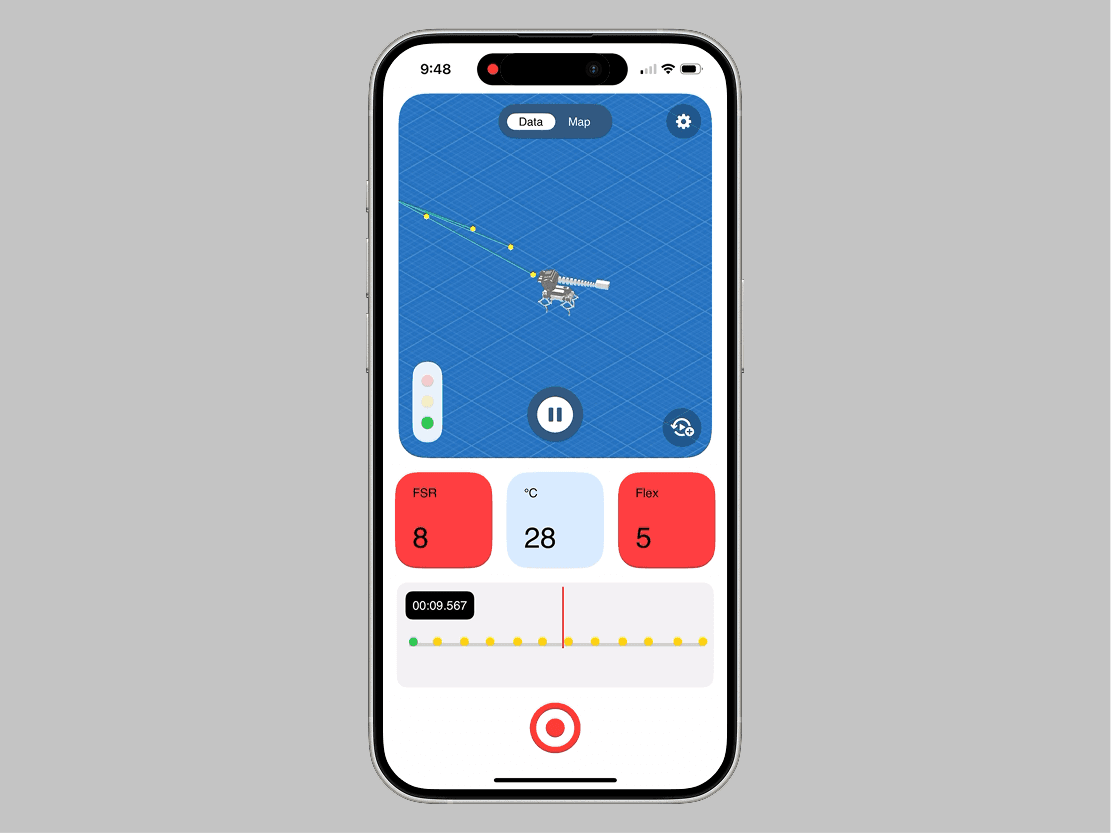
My objective was to evaluate whether tactile-first traversal could be supervised through a shared-control HMI that blends operator commands with safety-constrained autonomy while warning the operator through predictive haptic cues.
My objective was to evaluate whether tactile-first traversal could be supervised through a shared-control HMI that blends operator commands with safety-constrained autonomy while warning the operator through predictive haptic cues.
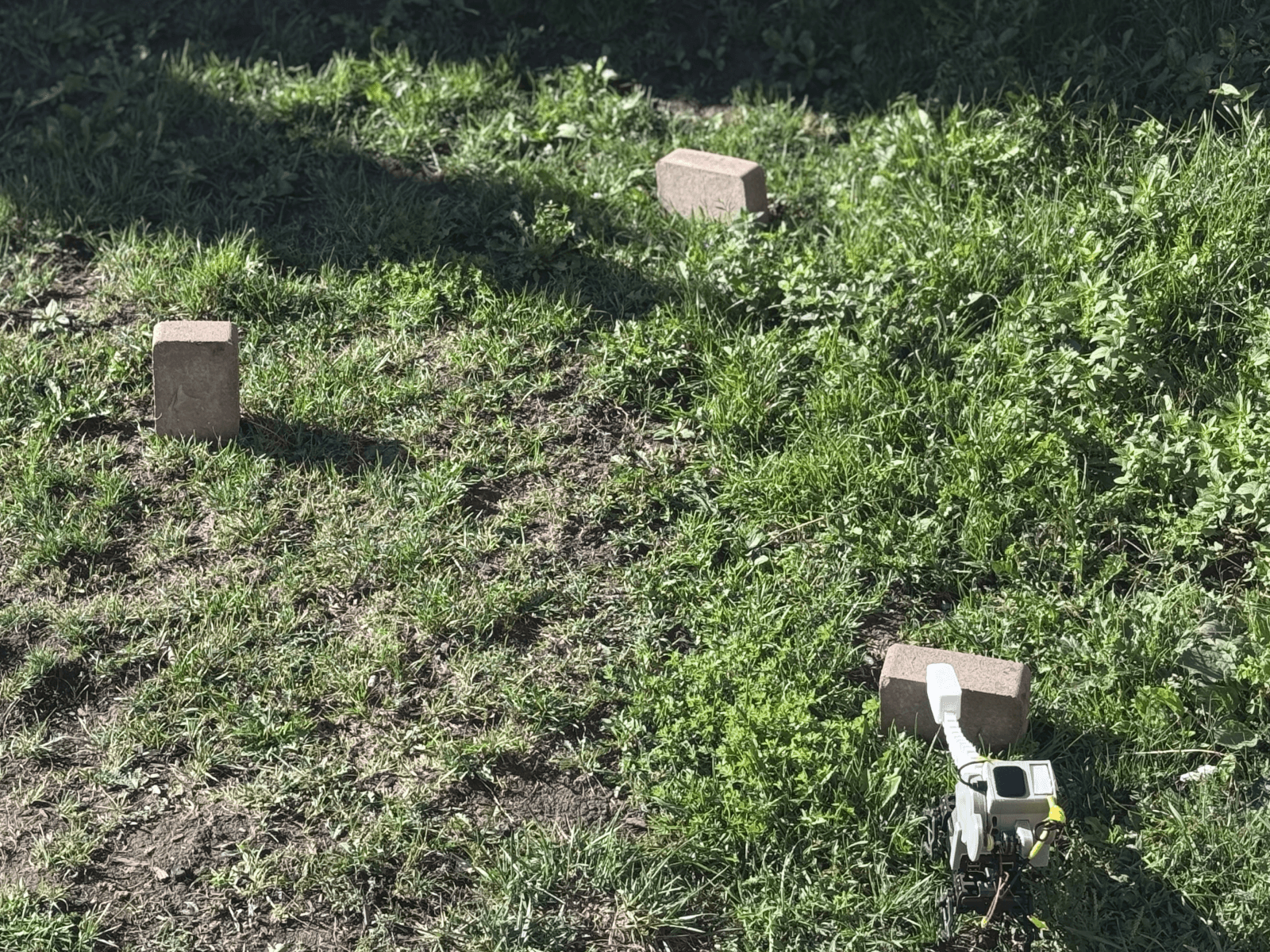
I developed the counterfactual replay pipeline, safety projection layer, command-blending policy, and haptic alert synthesis workflow. Using the existing 660-trial traversal corpus, I tested the system offline across safety, efficiency, assurance, and operator-autonomy conflict metrics.
I developed the counterfactual replay pipeline, safety projection layer, command-blending policy, and haptic alert synthesis workflow. Using the existing 660-trial traversal corpus, I tested the system offline across safety, efficiency, assurance, and operator-autonomy conflict metrics.
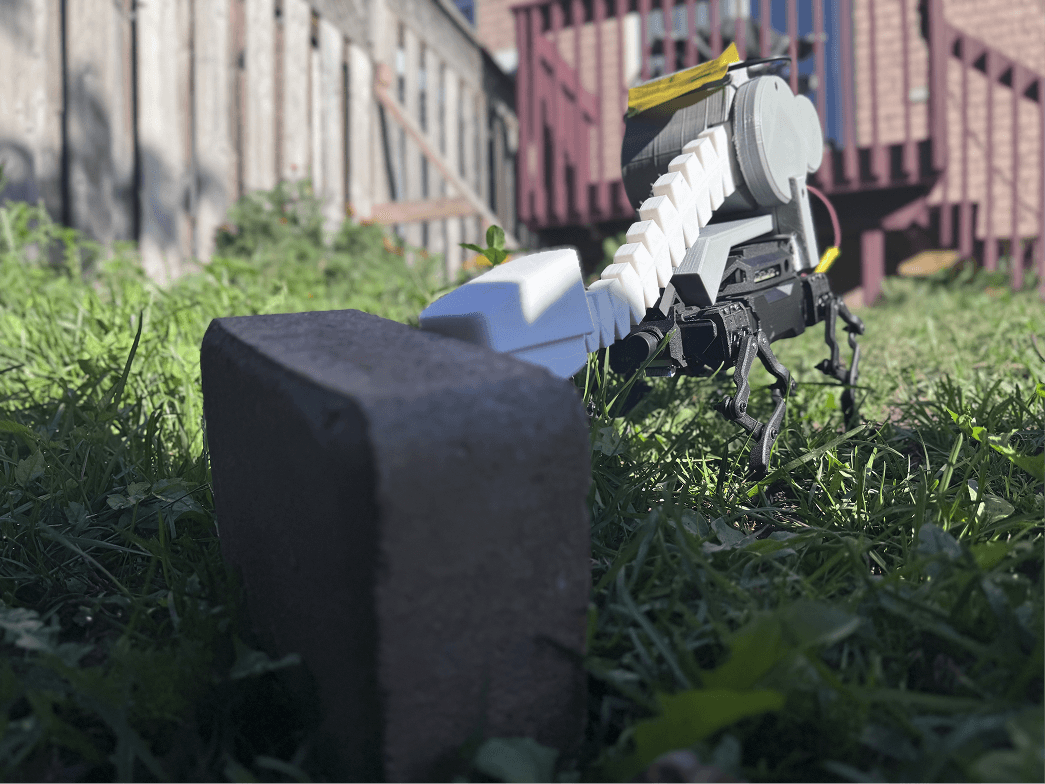
The results showed fewer predicted collisions, greater minimum clearance, smoother control, improved certificate margins, and haptic alerts that anticipated safety-critical events with measurable lead time. This positions tactile-first shared control as a practical supervision layer for robots working where vision is unreliable.
The results showed fewer predicted collisions, greater minimum clearance, smoother control, improved certificate margins, and haptic alerts that anticipated safety-critical events with measurable lead time. This positions tactile-first shared control as a practical supervision layer for robots working where vision is unreliable.
Mazurick, A. M., & Ferworn, A. (2026). Shared-Control HMI for Tactile-First Traversal Offline Counterfactual Evaluation with Haptic Safety Projection. Sensors, 26(9), 2719. Link
Mazurick, A. M., & Ferworn, A. (2026). Shared-Control HMI for Tactile-First Traversal Offline Counterfactual Evaluation with Haptic Safety Projection. Sensors, 26(9), 2719. Link