Traversability
Robotics often treats traversability as a practical judgment: can the robot get through or not. In confined, contact-rich environments, that binary framing is too coarse because clearance, curvature, slope, friction, and robot morphology all shape whether egress is actually possible.
Robotics often treats traversability as a practical judgment: can the robot get through or not. In confined, contact-rich environments, that binary framing is too coarse because clearance, curvature, slope, friction, and robot morphology all shape whether egress is actually possible.
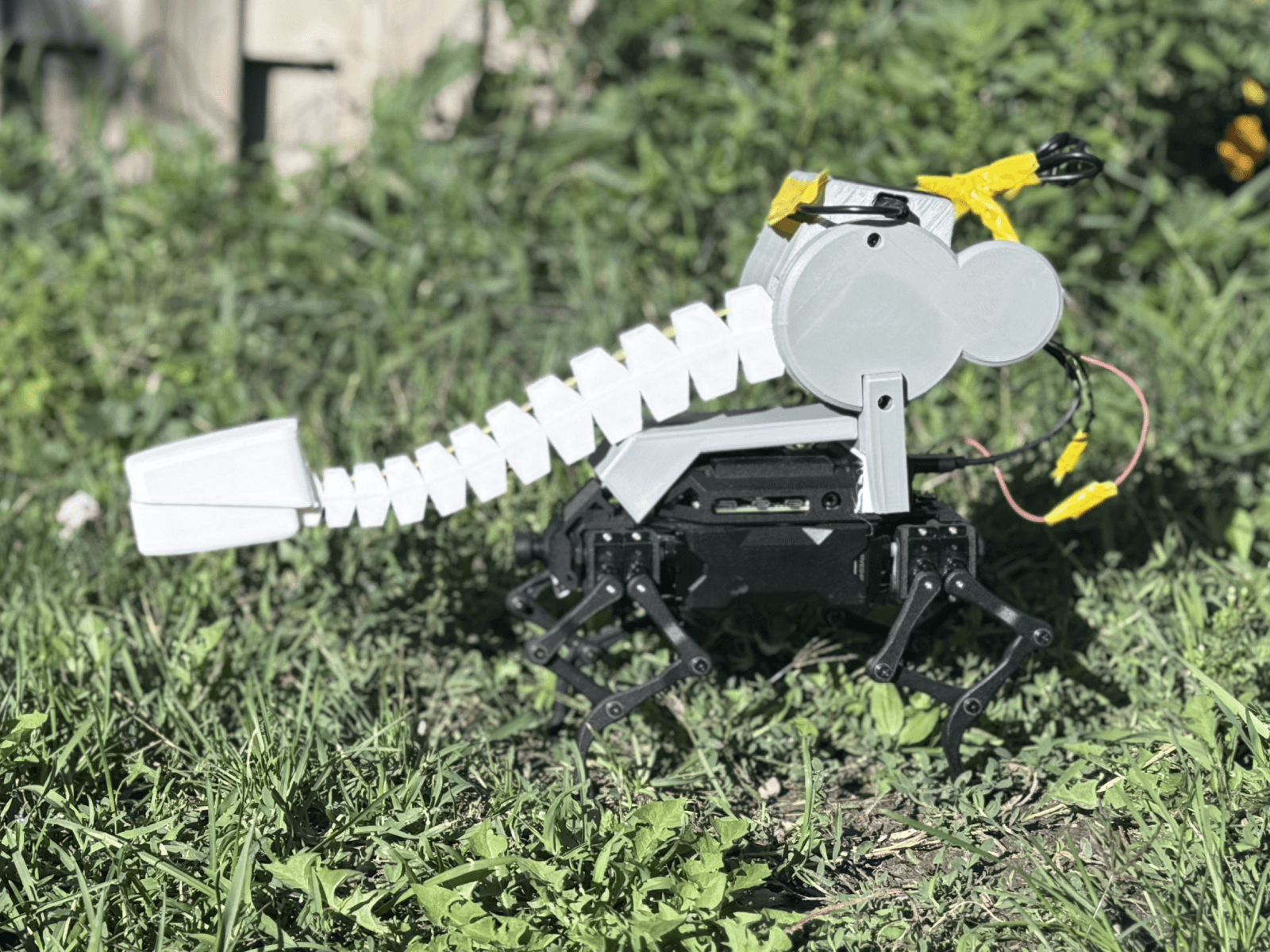
My objective was to turn traversability into a measurable property of an environment-robot pair and to create an online certificate that could be computed using touch alone.
My objective was to turn traversability into a measurable property of an environment-robot pair and to create an online certificate that could be computed using touch alone.
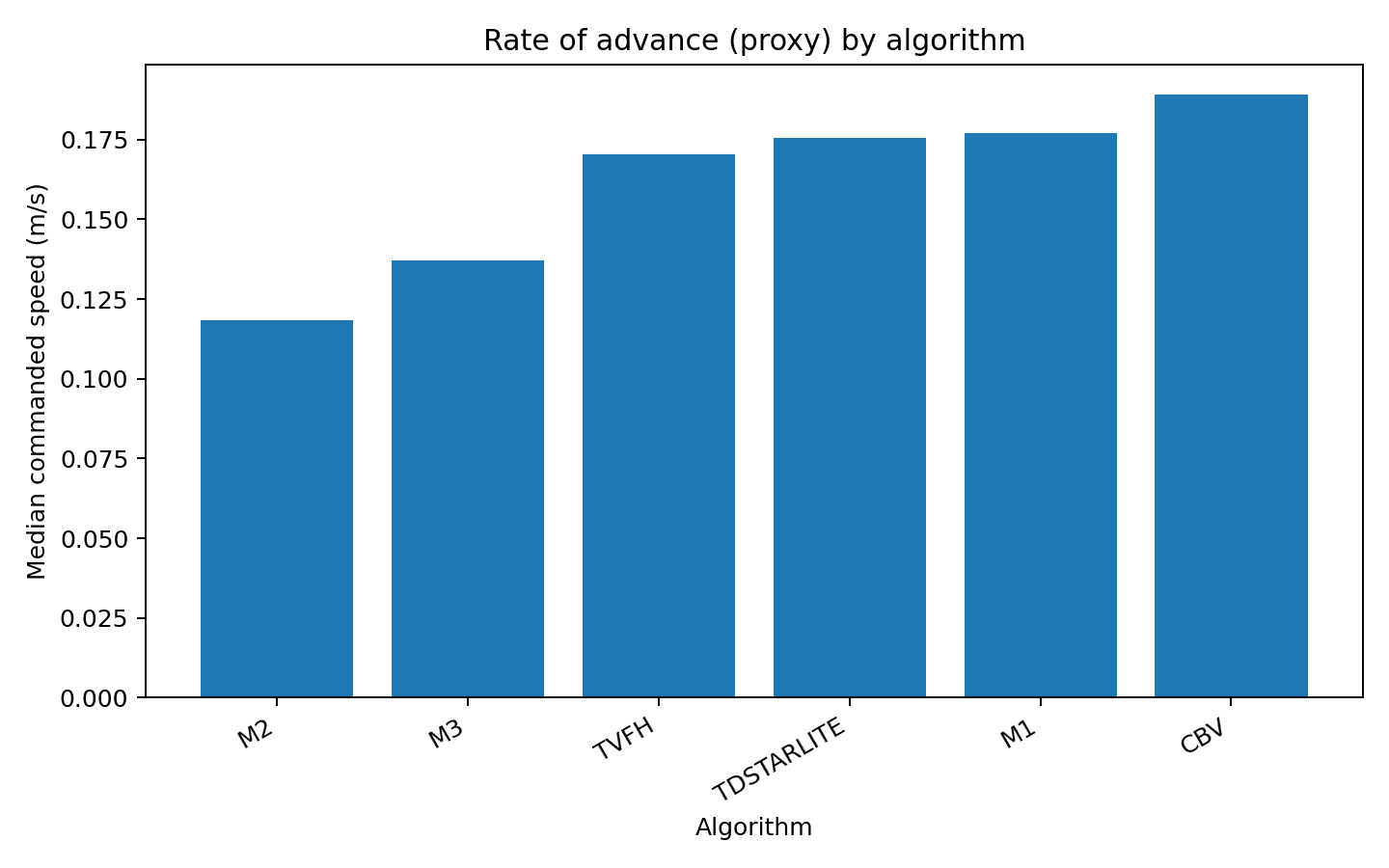
I formalized traversability as a bottleneck margin over feasible paths and developed a tactile certificate that maintains a conservative lower bound from partial contact histories, body-envelope evidence, and the M3 memory signal. I evaluated the method retrospectively over 660 Indoor, Outdoor, and Dark trials.
I formalized traversability as a bottleneck margin over feasible paths and developed a tactile certificate that maintains a conservative lower bound from partial contact histories, body-envelope evidence, and the M3 memory signal. I evaluated the method retrospectively over 660 Indoor, Outdoor, and Dark trials.
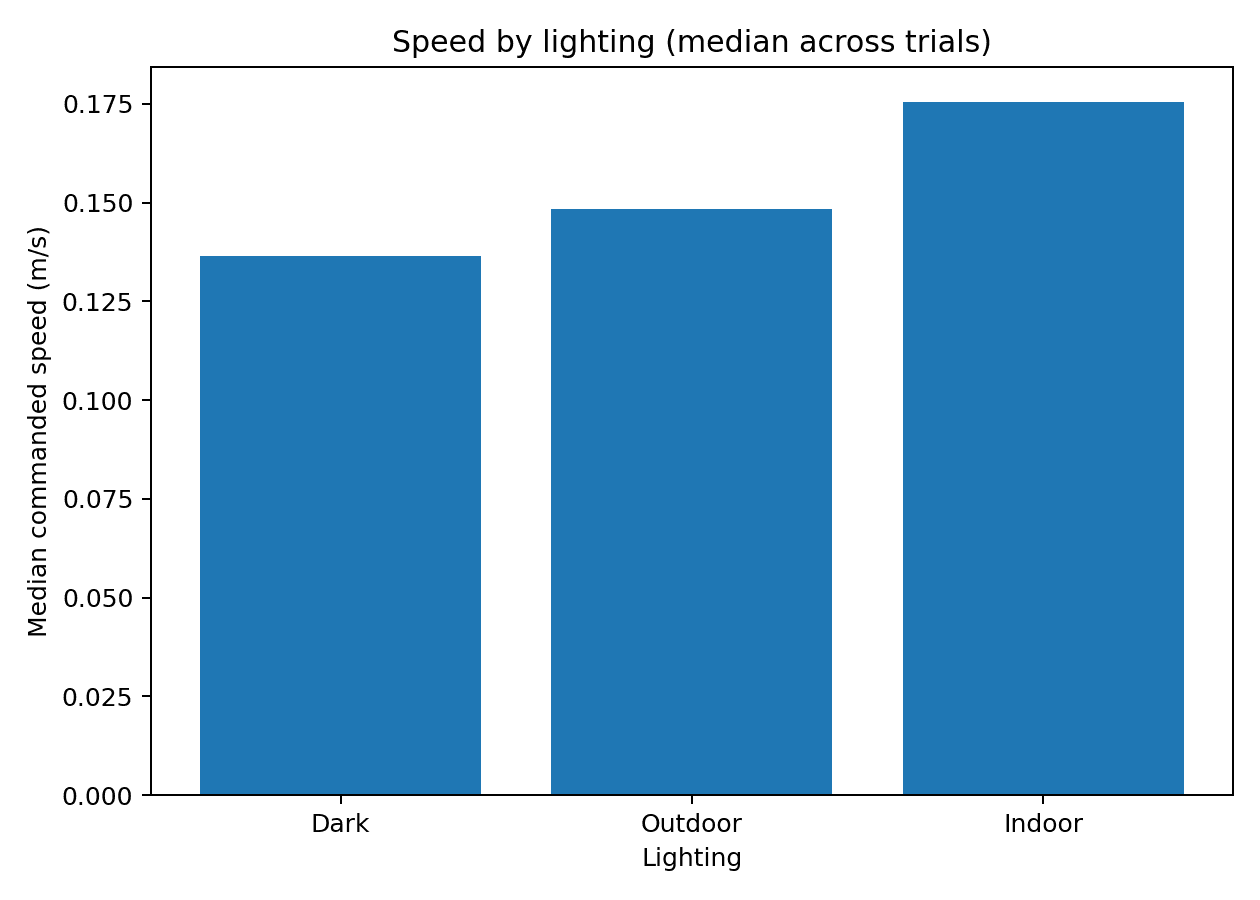
The certificate predicted success and traversal time better than simpler contact or dwell heuristics, remained lighting-invariant, and enabled speed gating that recovered part of the camera baseline's speed gap without reducing success. The result is a practical assurance signal for go/hold decisions, speed allocation, and auditability in vision-denied traversal.
The certificate predicted success and traversal time better than simpler contact or dwell heuristics, remained lighting-invariant, and enabled speed gating that recovered part of the camera baseline's speed gap without reducing success. The result is a practical assurance signal for go/hold decisions, speed allocation, and auditability in vision-denied traversal.
Mazurick, A., & Ferworn, A. (2026). What makes a space traversable? A formal definition and on-policy certificate for contact-rich egress in confined environments. Robotics, 15(3), 65. Link
Mazurick, A., & Ferworn, A. (2026). What makes a space traversable? A formal definition and on-policy certificate for contact-rich egress in confined environments. Robotics, 15(3), 65. Link