Traversal
Robotic systems that depend on vision routinely fail in darkness, glare, smoke, and confined environments. This limits deployment in safety-critical, industrial, and disaster-response scenarios where vision cannot be trusted.
Robotic systems that depend on vision routinely fail in darkness, glare, smoke, and confined environments. This limits deployment in safety-critical, industrial, and disaster-response scenarios where vision cannot be trusted.
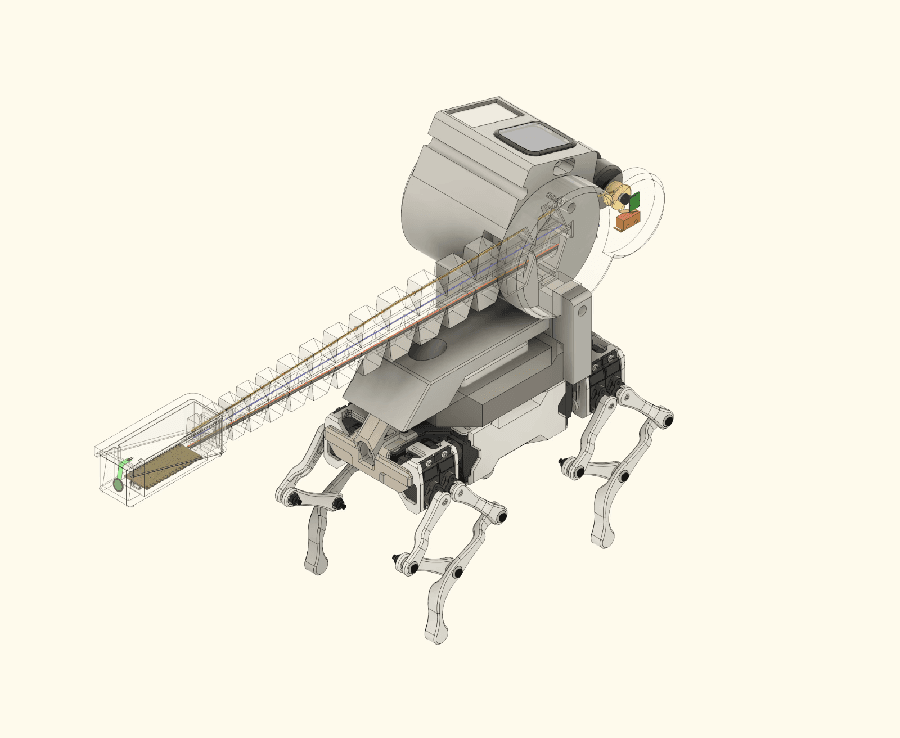
My objective was to prove that a robot could navigate and map safe paths without vision while remaining reliable under standardized benchmarks. This work formed the core technical contribution of my PhD.
My objective was to prove that a robot could navigate and map safe paths without vision while remaining reliable under standardized benchmarks. This work formed the core technical contribution of my PhD.
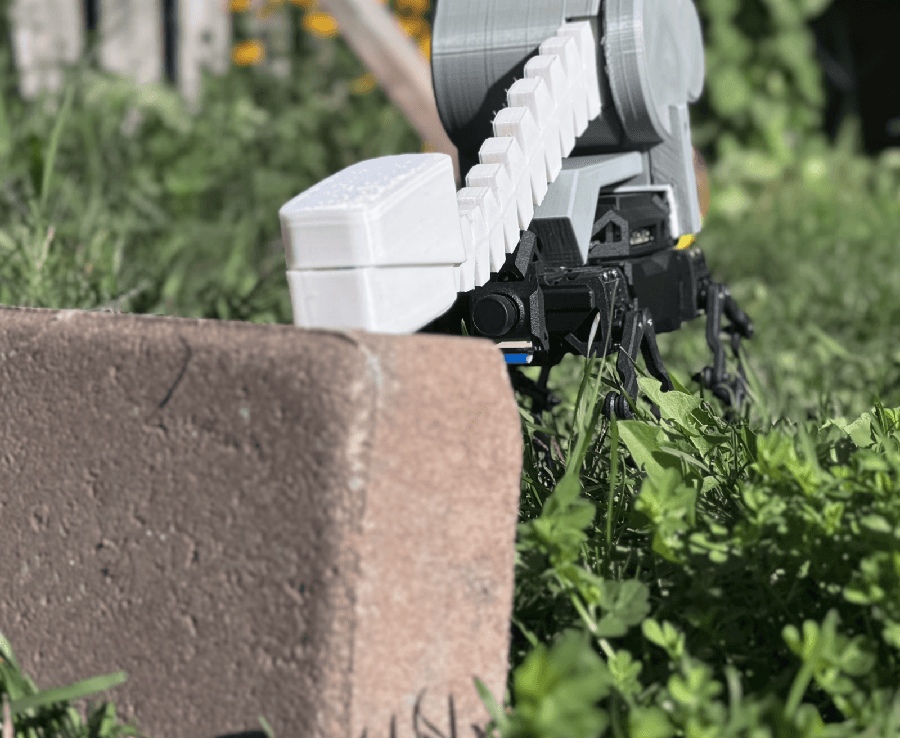
I independently designed, engineered, and fabricated the Eleven robot, including all hardware, sensing systems, and mechanical architecture. I also developed all AI, machine learning, and traversal algorithms, implementing a memory-augmented tactile control system using artificial skin.
I independently designed, engineered, and fabricated the Eleven robot, including all hardware, sensing systems, and mechanical architecture. I also developed all AI, machine learning, and traversal algorithms, implementing a memory-augmented tactile control system using artificial skin.
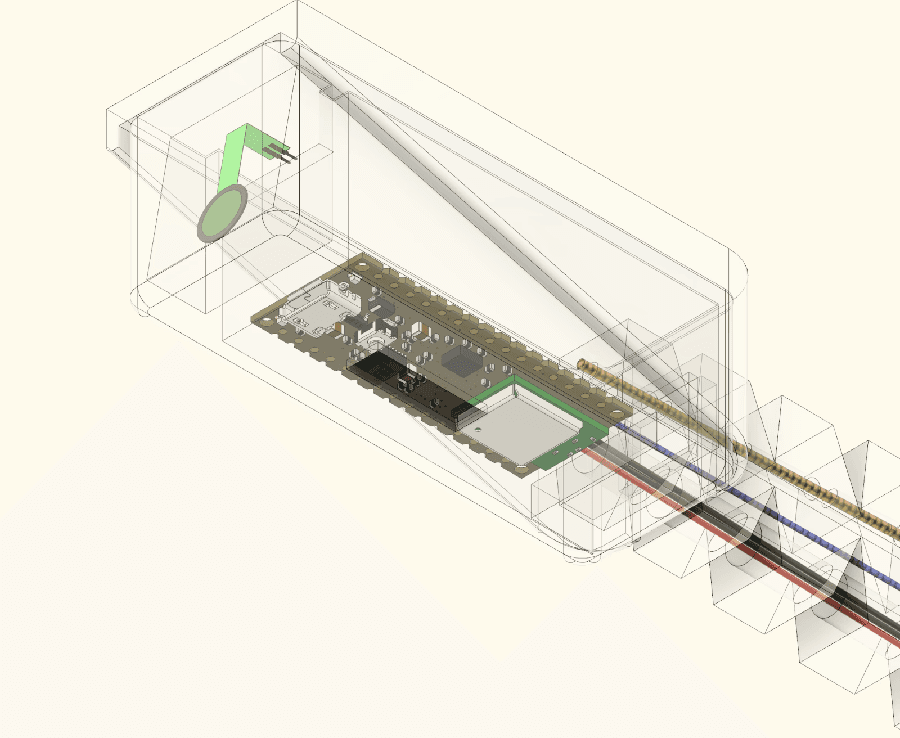
Across hundreds of trials, Eleven achieved stable performance and mid-80% success rates even in complete darkness. The research demonstrates a fully self-contained, illumination-independent mobility system with clear applicability to real-world deployment and commercialization.
Research Paper
Across hundreds of trials, Eleven achieved stable performance and mid-80% success rates even in complete darkness. The research demonstrates a fully self-contained, illumination-independent mobility system with clear applicability to real-world deployment and commercialization.
Research Paper